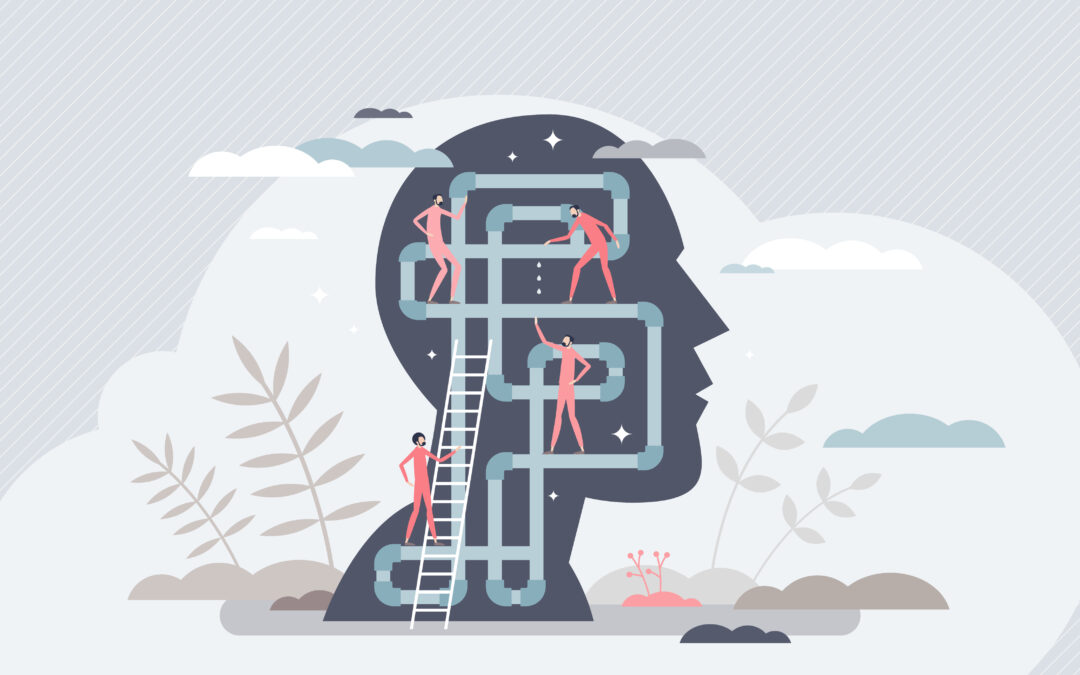
by Dr. Kayvan Haddadan | Jan 19, 2024 | Uncategorized
In a groundbreaking global study led by UCL researchers, over 200 genes associated with depression have been newly identified. Published in Nature Genetics, the research uncovered more than 50 new genetic loci and 205 novel genes linked to depression, representing the...
by Dr. Kayvan Haddadan | Jan 12, 2024 | Uncategorized
In a groundbreaking worldwide study led by UCL researchers, over 200 genes associated with depression have been recently identified. Published in Nature Genetics, the research uncovered more than 50 new genetic loci and 205 novel genes linked to depression. This marks...

by Dr. Kayvan Haddadan | Jan 5, 2024 | Uncategorized
The weather can potentially impact depression in several ways: Seasonal Affective Disorder (SAD): Some people experience a form of depression known as Seasonal Affective Disorder, which is associated with changes in seasons, particularly during fall and winter when...
by Dr. Kayvan Haddadan | Dec 29, 2023 | Uncategorized
A recent longitudinal study led by UCL researchers reveals a connection between body dissatisfaction at age 11 and an elevated risk of depression by age 14. The study, published in The Lancet Psychiatry and supported by Wellcome, focused on 13,135 participants from...
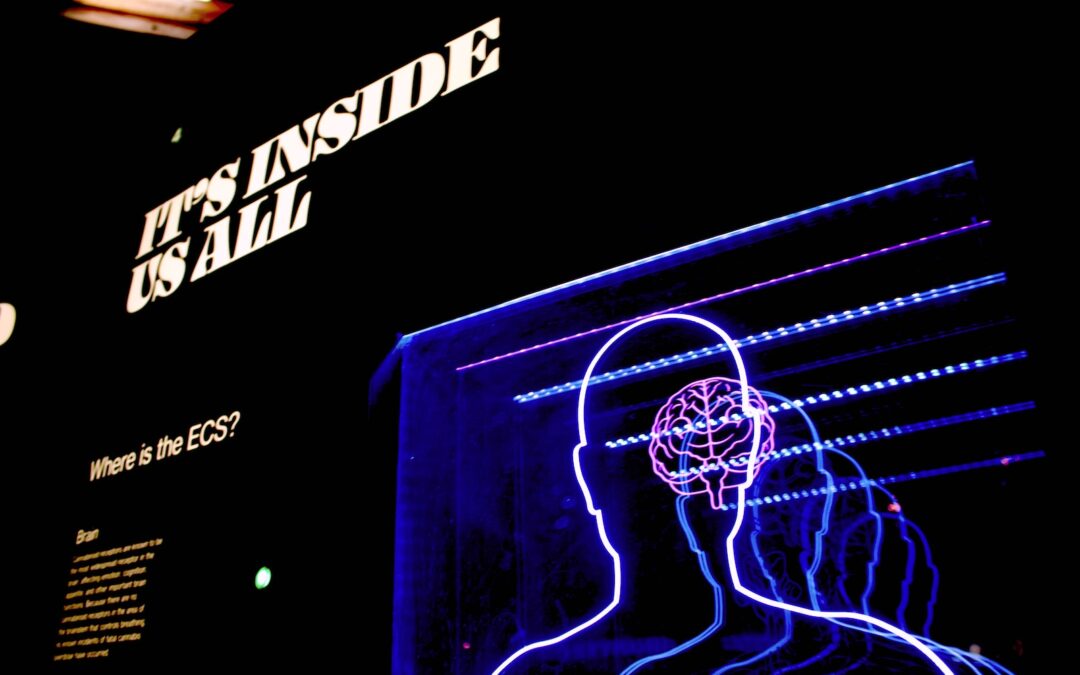
by Dr. Kayvan Haddadan | Dec 21, 2023 | Uncategorized
Transcranial Magnetic Stimulation (TMS) is a non-invasive medical treatment used for individuals with major depressive disorder (MDD) who have not experienced adequate improvement from antidepressant medications. Here’s how TMS works and how it can help with...

by Dr. Kayvan Haddadan | Dec 8, 2023 | Uncategorized
Depression is a serious mental health condition that, if left untreated, can have a significant impact on various aspects of a person’s life. Additionally, depression is sometimes associated with or can contribute to the development of other mental health...
