
Dr. Kayvan Haddadan’s Blog

Understanding TMS Therapy: A Breakthrough in Treating Depression Symptoms
Transcranial Magnetic Stimulation (TMS) therapy has emerged as a promising treatment for depression, offering hope to those who have not found relief with traditional methods. This non-invasive procedure uses magnetic fields to stimulate nerve cells in the brain,...

Understanding Elderly Depression: Causes, Symptoms, and Treatment
As our population ages, understanding the mental health challenges faced by the elderly becomes increasingly important. Depression is a significant concern among older adults, affecting their overall well-being and quality of life. In this article, we will explore the...

How a Balanced Diet Can Help Manage Depression: A Comprehensive Guide
In recent years, the link between diet and mental health has gained significant attention. While therapy and medication remain crucial for managing depression, a balanced diet can also play a vital role in improving mood and overall well-being. This article explores...

Depression in children
Depression in children is a serious mental health condition that can significantly impact a child's daily life, development, and well-being. Here are some key points about depression in children: Symptoms Children with depression may exhibit a range of emotional,...

Latest Advancements in Depression Treatment: Promising New Methods
Recent advancements in depression treatment offer new hope for individuals struggling with this pervasive mental health condition. Here are some of the most promising developments: 1. Stanford Accelerated Intelligent Neuromodulation Therapy (SAINT) Stanford Medicine...

Genetic research suggests oxytocin as a potential treatment for postnatal depression.
Scientists have discovered a gene whose absence or impairment can lead to obesity, behavioral issues, and postnatal depression in mothers. Published today in Cell, this finding could have broader implications for treating postnatal depression. A study in mice...
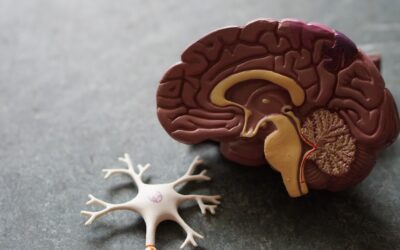
Personalized Treatment Through Brain Scans for Depression
Recent advancements in neuroscience have revealed that depression can be categorized into six distinct types based on brain activity patterns, as demonstrated in a study published in Nature Medicine. This breakthrough offers a promising avenue for personalized...

Stanford Medicine-led study identifies six distinct types of depression.
In the near future, a quick brain scan could become part of a depression screening assessment to identify the most effective treatment. A new study by Stanford Medicine researchers, published on June 17 in Nature Medicine, demonstrates that brain imaging combined with...

Depressive symptoms might accelerate memory decline in older adults.
Depressive symptoms are associated with subsequent memory decline in older adults, while poorer memory is also linked to an increase in depressive symptoms later on, according to a new study led by researchers at UCL and Brighton and Sussex Medical School. The study,...

Exposure to air pollution during pregnancy linked to heightened mental health risks
New research has found that exposure to air pollution while in the womb is linked to the development of certain mental health issues in adolescence. The University of Bristol-led study, published in JAMA Network Open on May 28, examined the long-term mental health...